Relocating abroad is exciting, but it gets harder with dependents. Figuring out work visas can be tough, especially for families.
Relocation abroad is more than finding a new place. You need to know the visa process and make sure your dependents are included in your work visa. Some countries have better family-friendly visa policies, making moving easier for everyone.
Key Takeaways
- Understanding the complexities of work visas for dependents is crucial for a smooth relocation.
- Some countries offer more favorable visa policies for families.
- Researching the right visa options can simplify your relocation abroad.
- Dependent benefits vary significantly across different visa policies.
- A comprehensive guide can help navigate the visa application process.
Understanding Work Visas with Dependent Options
Getting a work visa that includes your dependents is key when moving abroad. Many professionals need to bring their families to accept a job offer overseas.
What Qualifies as a Dependent in Immigration Terms
Dependents usually mean spouses and kids, but rules can change by country. Some places also count other family members as dependents under specific rules.
Knowing who counts as a dependent is important. It helps figure out what papers and benefits your family needs.
Benefits of Family-Friendly Visa Policies
Visa policies that help families can make moving easier. They let families stay together, reducing stress during the move.
Countries with family-friendly visa policies see happier expats. They can bring their families, making the move easier for everyone.
Common Challenges Americans Face When Relocating with Family
Despite the perks, moving with family can be tough. Americans face visa hurdles, cultural changes, and finding good schools and healthcare for their kids.
Knowing these challenges early helps families prepare. It helps them make smart choices about moving.
Understanding work visas with dependent options helps families move smoothly. It ensures a better start in their new life abroad.
Key Factors to Consider Before Applying
Relocating abroad with family needs careful planning. Start by understanding the factors that affect your work visa application. Knowing these can greatly improve your chances of a successful move.
Visa Processing Times and Planning Timeline
Knowing the visa processing times is key for planning your move. Times vary by country and visa type. Always check the average processing times for your destination and plan ahead.
Some countries offer fast-track options for an extra fee. This can be helpful if you’re short on time.
Cost Considerations for Families
The cost of a work visa with dependents is high. Expect to pay for application fees, medical exams, and possibly translation and authentication fees. Also, think about the cost of living in your new country and budget accordingly.
Healthcare and Education Access Abroad
Healthcare and education are key for families. Research the healthcare system in your new country. Some offer great public healthcare, while others require private insurance.
Also, look into the education system, including international schools. This helps plan for your kids’ education.
Dependent Work Rights and Restrictions
Dependent work rights vary by country. Some allow dependents to work freely, while others need a separate permit or have specific rules. Knowing these rules is important for your dependents’ job prospects.
By considering these factors, families can prepare for the challenges and opportunities of moving abroad on a work visa.
The Easiest Countries to Get a Work Visa with Dependents
Some countries make it easy to get work visas for families. These places offer smooth paths for moving with your loved ones. This makes the move less stressful.
Canada’s Express Entry and Provincial Nominee Programs
Canada is known for welcoming immigrants. The Express Entry system is great for skilled workers. It lets you bring your family along.
After getting an Invitation to Apply, you can sponsor your family. Provincial Nominee Programs (PNPs) also help. They let provinces choose immigrants based on their needs, including for families.
Australia’s Skilled Migration Visas for Families
Australia’s Skilled Migration Program attracts talented people. It also welcomes their families. Visas like the Skilled Independent visa (subclass 189) and Skilled Nominated visa (subclass 190) include dependents.
Australia’s policies are family-friendly. This makes it a great choice for moving with your family.
New Zealand’s Work to Residence Pathways
New Zealand’s Work to Residence visas help skilled workers and their families. The Essential Skills visa is a good start. It can lead to permanent residency for families.
Germany’s EU Blue Card Benefits for Dependents
The EU Blue Card is a top work visa. It lets you bring your family. Germany’s rules make it easy for dependents to join you.
The Blue Card also helps you get permanent residency. This is a big plus for families.
Singapore’s Employment Pass and Dependent Privileges
Singapore’s Employment Pass is easy to apply for. It includes dependents. Your family gets to enjoy good education and healthcare.
Singapore is great for business and families. Its policies support both.
These countries are easy to get work visas for families. They offer simple processes, support for families, and paths to permanent residency. When moving, look into each country’s visa programs to find the best for your family.
Step-by-Step Guide to Applying for Family Work Visas
Applying for a family work visa can be smooth if you plan well. This guide will help you apply for a work visa for you and your family.
Gathering Required Documentation for Each Family Member
The first step is to collect all needed documents for each family member. You’ll need valid passports, birth certificates, and marriage certificates if you’re married.
Make sure all documents are current and, if needed, translated into the right language.

Medical Examination and Background Check Procedures
Applicants usually need a medical examination to check their health. A background check might also be needed to check for any criminal history.
Financial Proof and Sponsorship Requirements
You’ll need to show financial proof to prove you can support yourself and your family abroad. Sometimes, you might need a sponsor, especially if your employer is sponsoring your visa.
Application Submission and Tracking Process
After you have all your documents ready, you can submit your application. It’s a good idea to use a trackable delivery method. Keep your application reference number handy for tracking.
| Step | Description | Timeline |
|---|---|---|
| Gathering Documents | Collecting all necessary documents for the application | 1-2 weeks |
| Medical Examination | Undergoing a medical check-up as required by the visa application | 1-3 days |
| Background Check | Completing a background check as part of the visa requirements | 2-4 weeks |
| Application Submission | Submitting the visa application with all required documents | 1 day |
By following these steps and knowing what’s needed, you can confidently apply for a family work visa.
Special Programs for American Skilled Workers with Families
Skilled workers from the United States can now move abroad with their families. This is thanks to special relocation initiatives. These programs make moving easier, offering benefits and streamlined procedures for workers and their families.
Tech Industry Fast-Track Visa Options
The tech industry has seen a rise in fast-track visa options. Countries like Canada and Australia offer quick processing for tech professionals. For example, Canada’s Global Talent Stream is part of the Express Entry program. It allows employers to hire tech workers quickly.
Healthcare Professional Global Mobility Programs
Healthcare professionals also have global mobility programs. The UK and New Zealand have special visa categories for healthcare workers. These programs often include streamlined registration and family sponsorship.
Academic and Research Position Family Benefits
Academics and researchers can benefit from family-friendly visa policies. Many countries offer special visas for academic and research positions. These visas include benefits for dependents, like the right to work or study.
Digital Nomad Visas for Remote-Working Families
The rise of remote work has led to digital nomad visas. These visas allow remote workers to live and work abroad with their families. Countries like Estonia and Barbados offer digital nomad visas with attractive benefits.
| Country | Visa Program | Benefits for Dependents |
|---|---|---|
| Canada | Global Talent Stream | Work permit for spouse, education benefits for children |
| Australia | Skilled Migration Visa | Work rights for dependents, access to public healthcare |
| Estonia | Digital Nomad Visa | Residency for family, access to e-government services |
These special programs offer opportunities to American skilled workers and their families. By understanding and using these options, skilled workers can make informed decisions about international relocation.
Navigating Education Systems for Dependent Children
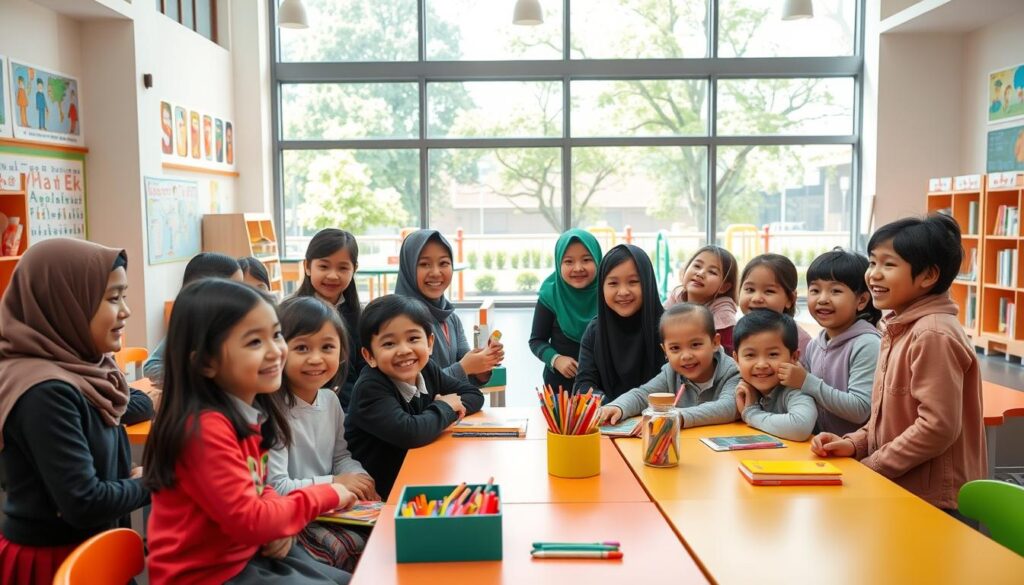
Expats face a big challenge: finding the right education for their kids in a new country. It’s key to make sure your children get a good education that fits their needs.
International Schools vs. Local Education Systems
Choosing between international schools and local systems is a tough decision. International schools use familiar curricula like the International Baccalaureate (IB) or American ones. This makes the transition easier for expat kids.
Local education systems, however, offer a chance to learn the local culture and might be cheaper. But, they might have different teaching styles and languages.
Language Learning Support and Bilingual Programs
Language support is very important when picking an education system. Many international schools have bilingual programs or language support. This helps kids adjust to their new school.
Local schools might also have language classes for expat kids. But, the quality and availability can vary a lot.
Education Costs, Subsidies, and Scholarships
Education costs can be high when moving abroad. International schools are often pricier. But, some countries offer subsidies or scholarships for expat kids.
It’s important to look into these options to help manage the costs.
Smooth Transitions Between American and Foreign Curricula
Switching between educational systems can be tough. Some schools have curriculum bridging programs. These programs help students get used to new teaching styles and syllabi.
By understanding the options and planning well, expat families can give their kids a great education that suits their needs.
Healthcare Access and Insurance for Dependents Abroad
When you move to a new country, getting your dependents good healthcare is key. It’s important to know the healthcare system and insurance options in your new home. This helps keep your family healthy.
Public vs. Private Healthcare Options by Country
Healthcare varies by country. For example, Canada and the UK have strong public systems. But, others might need private insurance for full coverage. Knowing your country’s healthcare is a must.
International Health Insurance Plans for Families
International health insurance is a good choice for your dependents. These plans cover many services, like doctor visits and hospital stays. They might also include dental and vision care. It’s important to compare plans to find the right one for your family.
Special Healthcare Considerations for Children and Elderly Dependents
Children and elderly dependents have special health needs. Kids might need pediatric care and shots, while older adults might need more doctor visits and care for chronic conditions. Make sure your insurance covers these needs.
Managing Prescriptions and Chronic Conditions Overseas
Dealing with prescriptions and chronic conditions abroad can be tough. You need to find out how to get the medicines you need in your new country. Also, understand how your insurance handles these costs.
By thinking about these points, you can make sure your dependents get the healthcare they need abroad.
Building Support Networks in Your New Country
Moving to a new country with your family is more than getting a visa. It’s about finding a supportive community. A strong support network is key for a smooth transition and a great expat experience.
American Expat Communities and Resources
Connecting with American expat communities can offer valuable support and insights. Many cities have groups for expats. They organize social events, give advice on local services, and help you feel part of a community. Look for these groups online, on social media, or at local events.
Local Integration Strategies for the Whole Family
It’s important to integrate into the local culture for a fulfilling expat life. Encourage your family to join in local activities, clubs, or sports teams. Also, get to know your neighbors. This builds relationships and helps you feel at home.
Language Learning Resources for All Ages
Learning the local language is a big part of integration. Use language schools, online courses, and language exchange programs. Many places offer classes just for expats and their families.
Cultural Adjustment Tips for Smoother Transitions
Adjusting to a new culture can be tough, but there are ways to make it easier. Be open-minded, patient, and curious. Look for cultural orientation programs and talk to other expats who have made the same journey.
Building a strong support network helps you and your family deal with the challenges of expat life. You can enjoy a rewarding experience in your new country.
Conclusion: Making Your International Move a Success
Moving abroad with family can be tough, but it can also be rewarding. Knowing about work visas, schools, and healthcare helps a lot. This way, your family can adjust smoothly.
For a successful move, plan well. Pick the right visa and get to know your new community. Countries like Canada, Australia, and Germany have good visa policies for families.
Starting this new chapter? Use American expat groups and local tips to find friends. This guide has given you the tools to face the ups and downs of moving abroad.
A well-thought-out move can change your life for the better. It brings new cultures, jobs, and personal growth. With smart choices, your move can be a success story for your family.