The Japan Specified Skilled Worker Visa (SSW visa) is a new visa type. It was created to help with labor shortages in different fields. This visa lets foreign workers come to Japan in certain sectors. It aims to boost cultural exchange and economic growth.
The Japan visa application process can be tricky. This guide will help you through the steps to get a skilled worker visa Japan. It doesn’t matter if you want to work in manufacturing, nursing care, or other areas. This guide will give you all the info you need to apply successfully.
Key Takeaways
- Understanding the eligibility criteria for the SSW visa
- Navigating the Japan visa application process
- Required documents for a skilled worker visa Japan
- Tips for a successful application
- Insights into the benefits of the SSW visa program
Understanding the Japan Specified Skilled Worker Visa
The Specified Skilled Worker Visa is Japan’s way to bring in global talent. It aims to fill labor gaps by attracting skilled workers worldwide.
What is the Specified Skilled Worker Visa?
The Specified Skilled Worker (SSW) Visa is a new visa in Japan. It’s for foreign workers with specific skills needed in various industries.
Types: SSW-1 vs SSW-2
The SSW program has two types: SSW-1 and SSW-2. SSW-1 is for basic skills, while SSW-2 is for advanced skills. Knowing which one you need is important.
Industries and Jobs Covered
The SSW program includes many industries. These include nursing care, construction, and manufacturing. Here’s a list of the covered industries and jobs:
| Industry | Jobs Covered |
|---|---|
| Nursing Care | Nursing assistants, care workers |
| Construction | Construction workers, demolition workers |
| Manufacturing | Production line workers, machine operators |
Benefits of the SSW Program
The SSW program has many benefits. It lets you work in Japan, a country with a unique culture and advanced technology. It also offers a chance to gain valuable experience and move to other visa statuses.
Key benefits include: work experience in Japan, a path to permanent residency, and the chance to learn new skills.
Eligibility Requirements for the Visa
To apply for the Japan Specified Skilled Worker Visa, you need to know the eligibility criteria. These criteria include age, nationality, skills, experience, language proficiency, and health and character.
Age and Nationality Requirements
The visa doesn’t have an age limit, but you must be at least 18 years old. There are no nationality restrictions, making it open to skilled workers worldwide.
Skills and Experience Qualifications
You need the right skills and experience in certain industries like construction, nursing care, or manufacturing. The specific requirements vary based on the industry and visa type (SSW-1 or SSW-2).
Japanese Language Proficiency
Knowing Japanese is key. For SSW-1, you must pass the JFT-Basic test. For SSW-2, you might need a higher level of Japanese, depending on your job and industry.
Health and Character Requirements
You must be in good health and have a clean record. You might need a medical exam and a police clearance certificate.
Meeting these requirements is the first step to a successful visa application. Make sure you meet all the criteria to make your application smoother.
Step-by-Step Guide to Japan Specified Skilled Worker Visa Application
Getting a Japan Specified Skilled Worker Visa needs careful planning. Knowing each step is key for a smooth process.
Initial Assessment of Eligibility
First, check if you’re eligible. Look at your age, nationality, skills, and experience. Make sure you qualify before you start.
Finding a Registered Supporting Organization
Finding a registered supporting organization is important. They help with the application. Look for ones that know the SSW visa well.
Securing a Job Offer from a Japanese Employer
You need a job offer from a Japanese employer. The employer must sponsor your visa. Start looking for jobs and networking.
Creating an Application Timeline
With a job offer and a supporting organization, make a timeline. It keeps you on track. Mark important dates like document collection and application submission.
Follow these steps to improve your visa application chances. Stay organized and ask for help when needed.
Required Documentation for Application
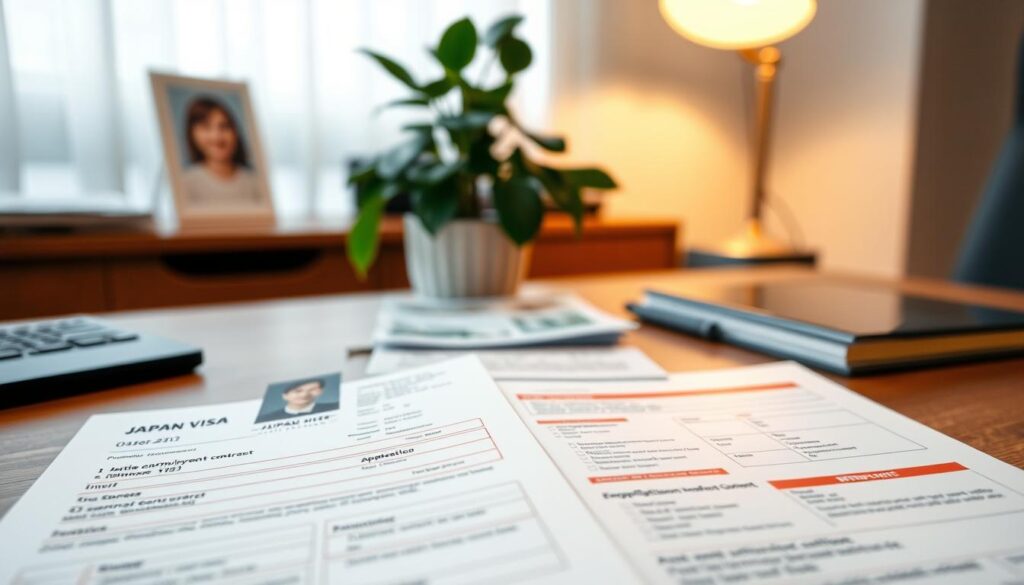
To apply for the Japan Specified Skilled Worker Visa, you need a lot of documents. These documents prove who you are, your skills, and if you have enough money.
Personal Documents
You’ll need a valid passport, recent photos, and a filled-out application form. Make sure these are current and filled out right.
You also need to show your nationality and identity. This can be a birth certificate or national ID card.
Professional Certificates
Professional certificates show your skills and qualifications. This includes diplomas, certificates, and letters from past jobs.
These must be real and, if needed, translated into Japanese. This makes them valid.
Financial Requirements
You also need to show you can support yourself in Japan. This means bank statements or proof of income.
The exact amount needed can change. Always check the latest rules from Japan’s immigration.
Document Authentication and Translation
All documents must be real or certified copies. If they’re not in Japanese, they need a certified translation.
Getting your documents right is key to avoid delays. Make sure they’re all authenticated and translated.
Skills Testing and Assessment Process
To apply for the Japan Specified Skilled Worker Visa, you must go through skills testing and assessment. This step checks if you’re good at your job and if you can speak Japanese.
Industry-Specific Skills Tests
The skills tests focus on your technical skills and knowledge in your field. They change based on your job. For example, nurses might test their care skills, while manufacturing workers test their technical skills.
Japanese Language Testing (JFT-Basic)
The JFT-Basic is a key part of the application. It checks your Japanese language skills. This makes sure you can talk and work well in Japan.
Where and How to Take the Tests
You’ll take the tests at special centers. You can sign up on official websites or through testing groups. Make sure to check the dates, places, and how to register early.
| Test Type | Test Location | Registration |
|---|---|---|
| Industry-Specific Skills Tests | Designated Testing Centers | Official Website |
| JFT-Basic | Authorized Testing Centers | Authorized Testing Organizations |
Preparing for Your Skills Assessment
Getting ready is crucial for the tests. Study hard, practice with sample questions, and know the test format. Good preparation boosts your confidence and helps you pass.
By knowing what’s needed and preparing well, you can easily get through the testing and assessment. This brings you closer to getting the Japan Specified Skilled Worker Visa.
Submitting Your Application
Applying for a Japan Specified Skilled Worker Visa is a big step towards your new job in Japan. This process has several important steps. These steps help make sure your application goes smoothly.
Application to the Japanese Embassy/Consulate
The first thing to do is apply at the Japanese Embassy or Consulate in your country. Make sure you have your passport, visa form, and any needed certificates. Check the Embassy or Consulate’s specific needs, as they can differ.
Processing Times and Fees
How long it takes to process your SSW Visa varies. It can be a few weeks to a few months. The fee also changes, so always check the latest prices. Here’s a quick look at typical times and fees:
| Application Type | Processing Time | Application Fee |
|---|---|---|
| SSW-1 | 2-3 months | $100-$200 |
| SSW-2 | 3-4 months | $150-$300 |
Tracking Your Application Status
After you apply, you can check your application’s status online or by calling the Embassy or Consulate. Keep your application number ready.
Responding to Additional Requests
At times, you might need to give more info or documents. Answer these requests quickly to avoid delays.
Post-Approval Procedures
After your visa is approved, you have a few more steps to take before moving to Japan. These steps are important for a smooth transition.
Receiving Your Certificate of Eligibility
The first thing to do is get your Certificate of Eligibility. This document proves you can work in Japan under the Specified Skilled Worker Visa program.
Visa Stamping Process
Next, you’ll need to go through the visa stamping process at a Japanese embassy or consulate. This step is necessary to get the visa that lets you enter Japan.
Pre-Departure Preparations
Before you leave for Japan, make sure you’re ready. This includes finding a place to live, understanding your job contract, and learning about Japanese culture.
Essential Items to Bring to Japan
When you move to Japan, pack the essential items you’ll need. This includes important documents, the right clothes, and personal items.
| Essential Items | Description |
|---|---|
| Important Documents | Passport, Certificate of Eligibility, visa, and other relevant papers |
| Appropriate Clothing | Seasonal clothing suitable for Japan’s climate |
| Personal Items | Medications, electronics, and personal care items |
Arriving in Japan: First Steps
When you arrive in Japan, you’ll face a few important steps. These steps are key to a smooth start in your new home. Knowing them will help you settle in quickly.
Airport Immigration Procedures
First, you’ll go through immigration at the airport. Make sure you have your passport, visa, and Certificate of Eligibility ready. You’ll need to show these documents, answer some questions, and have your fingerprints taken.
Residence Card Registration
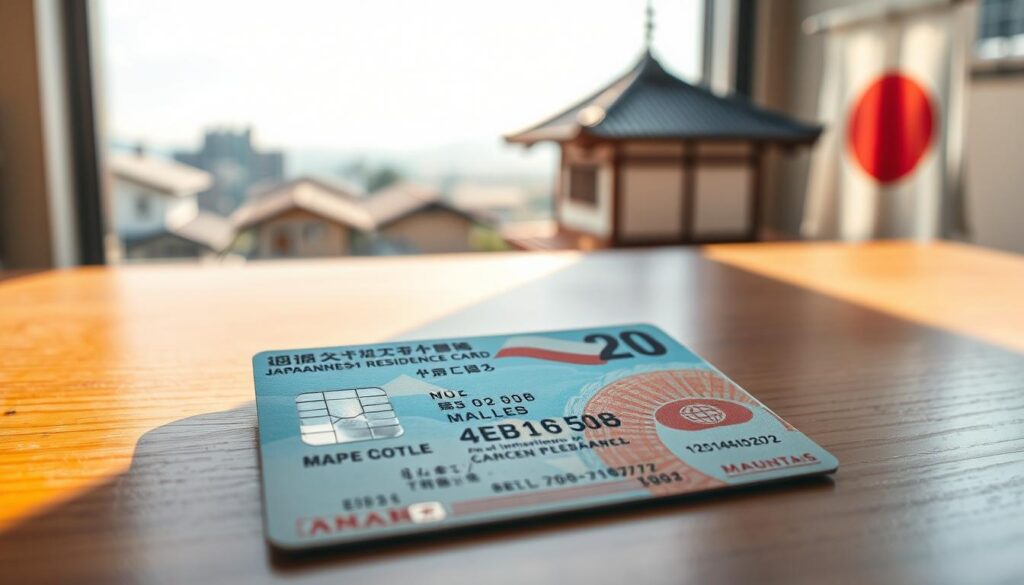
After immigration, you’ll register for a Residence Card. This card is vital for many tasks in Japan, like opening a bank account or finding a place to live. You’ll need to visit your local ward office to register.
Setting Up Essential Services
Next, you’ll need to set up services like electricity, gas, and internet. Many providers ask for a Japanese address and sometimes a Japanese phone number. Having your living situation sorted out beforehand helps a lot.
Opening a Bank Account
Opening a bank account in Japan can be tough without speaking Japanese. But, some banks offer English services. You’ll need your Residence Card and passport to open an account.
By doing these initial steps, you’ll be on your way to a comfortable life in Japan.
Living and Working in Japan with an SSW Visa
Living and working in Japan with an SSW visa is a unique experience. You’ll get to know the culture and work environment well. Your daily life and work will be shaped by these experiences.
Housing and Accommodation
Finding the right place to live is a big challenge. Japan has many housing options, like shared apartments and private homes. Look for places that are close to your work and fit your lifestyle.
Some employers help with housing. So, it’s a good idea to ask about this benefit.
Healthcare and Insurance
Japan’s healthcare system is mandatory for everyone, including SSW visa holders. You must join the Japan National Health Insurance. The cost is based on your income, and the coverage is wide, ensuring you get good medical care.
Taxation and Social Security
As an SSW visa holder, you’ll pay taxes on your worldwide income. It’s important to understand your tax duties. You’ll also need to contribute to the social security system, which includes pension and other benefits.
Cultural Integration and Support Resources
Adjusting to Japanese culture can be both fun and challenging. There are many resources to help you, like language classes and cultural programs. Joining expat communities can also make your experience better.
| Aspect | Description | Tips |
|---|---|---|
| Housing | Various options from shared apartments to private homes | Research commute-friendly areas |
| Healthcare | Mandatory enrollment in Japan National Health Insurance | Understand income-based premiums |
| Taxation | Subject to Japanese taxation on worldwide income | Consult a tax professional |
| Cultural Integration | Access to language classes and cultural programs | Join expat communities for support |
Extending and Transitioning Your Visa Status
Renewing or transitioning your SSW visa is a big step in keeping your legal status in Japan. It’s key to know the different options you have.
Renewal Process for SSW-1
The renewal for SSW-1 means checking if you still qualify. Start the renewal early to keep your status continuous. You’ll need to update your documents, like proof of work and personal changes.
Transitioning to SSW-2
Transitioning to SSW-2 is possible if you’ve learned a lot of Japanese and gained experience. This status gives you more freedom and could mean staying longer. You’ll need to show you’re very skilled and speak Japanese well.
Pathways to Permanent Residency
An SSW visa can lead to permanent residency in Japan. Permanent residency means you can live and work here without needing to renew visas. To qualify, you’ll need to have had an SSW visa for a few years, be financially stable, and show you plan to stay in Japan.
What Happens If You Lose Your Job
Job loss on an SSW visa can affect your status a lot. It’s important to know what to do to keep your legal status. You might need to find a new job fast or leave Japan.
In summary, managing your SSW visa renewal and transition needs careful planning and knowledge of your options. By staying informed and proactive, you can smoothly continue your stay in Japan.
Conclusion
Getting a Japan Specified Skilled Worker Visa is easy if you break it down. This guide has shown you how to meet the requirements and apply. It also covers what to do after you get approved.
The guide emphasizes the need for a job offer from a Japanese employer. You also need to register with a supporting organization. Knowing about the skills tests will help you prepare.
Now, you’re ready to move forward in your journey to Japan. Follow the steps and meet the requirements. With this guide, you can get your visa and start your new life in Japan.